Welcome to NOVRAXA Fitness Equipment


How Should Commercial Gyms Buy Multi-Function Equipment Without Creating Peak-Hour Queues?
One concern comes up again and again when planning a new commercial gym:
What happens if the gym becomes busy and members have to wait for equipment?
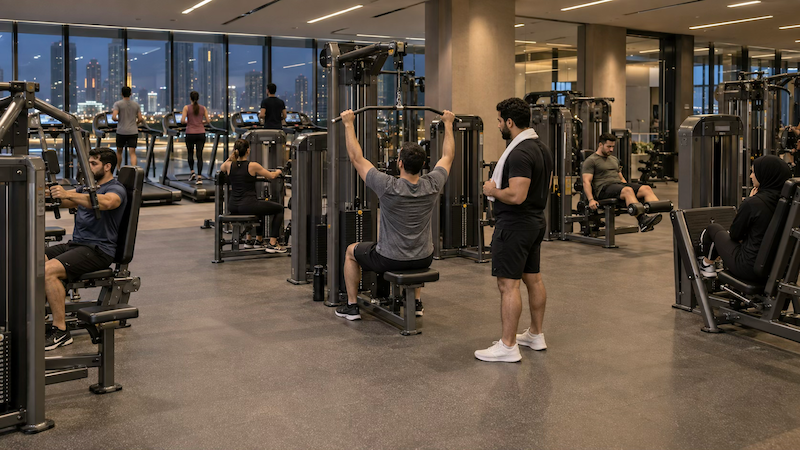
This is especially common in the evening, when most members arrive after work. If two or three people are waiting for the same machine, does that mean the gym was poorly equipped? Not necessarily. From visiting more than 1,000 gyms, one thing has been very consistent: most equipment in a commercial gym is designed for one person at a time.
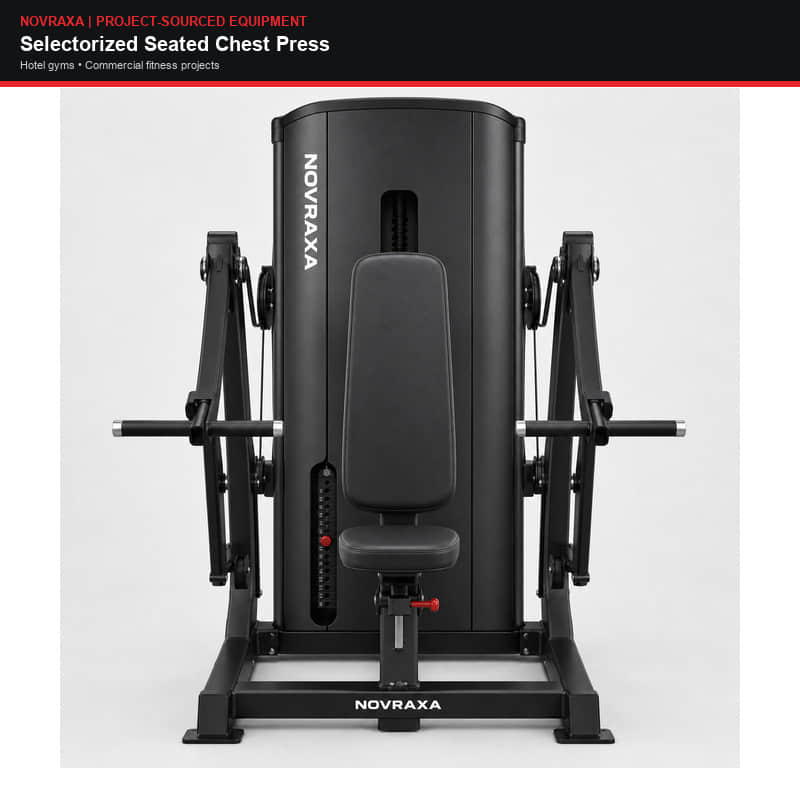
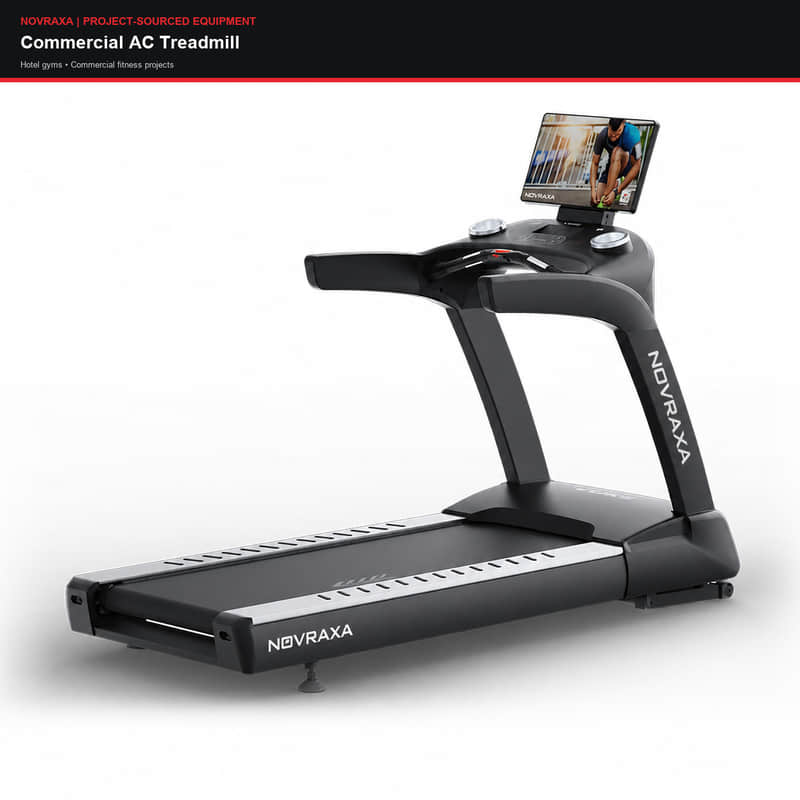
Treadmills, stair climbers, lat pulldowns, leg machines, chest machines and abdominal machines are normally used by one member at a time. That is why many gyms install several units of the equipment their members use most often. So the real question is not:
“How many people can use one machine at the same time?”
The better question is:
“Do we have enough of the machines our members will use most?”
Buy More of the Equipment Members Use Most
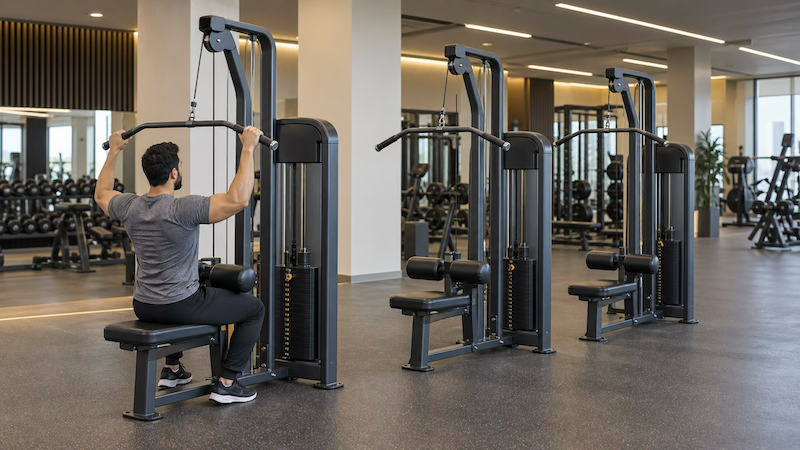
Walk into almost any busy commercial gym and you will see the same pattern. There is rarely only one treadmill. A larger gym may have several stair climbers. Popular strength machines such as lat pulldowns, leg machines and chest machines are also often installed in more than one unit.
The reason is simple. Members use them frequently. If a gym has 200 members and several dozen people arrive during the evening peak, one lat pulldown can easily create a queue. Two or three units make a big difference. This is why equipment budgets should not always be divided evenly.
You do not need one machine of every possible type. Instead, ask:
Which machines are my members most likely to use every day?
Those machines usually deserve more floor space and more of the budget. Equipment with lower usage can be added in smaller numbers.
You Probably Do Not Need Many Smith Machines or Functional Trainers
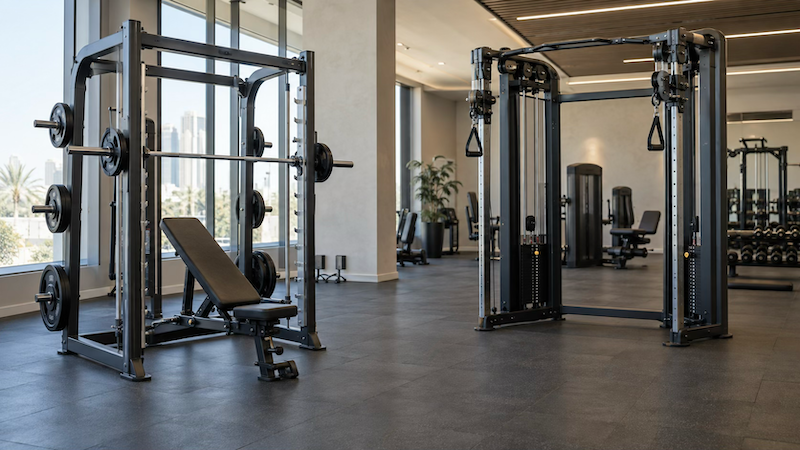
Smith machines and functional trainers are important pieces of equipment in many commercial gyms. But smaller and mid-sized gyms usually do not install large numbers of them. In many cases, one or two units are enough to start with. There are several reasons. They take up more space.
They usually cost more than a single-station machine. And not every member wants to use them at the same time. For a smaller gym, buying four or five Smith machines just to make sure nobody ever waits may not be the best use of space.
That floor area may be more valuable for additional cardio machines, strength machines or free-weight stations. The goal is not to buy as much equipment as possible. The goal is to match the equipment mix with the gym size, expected membership and training habits.
Multi-Function Equipment Does Not Completely Solve Queues
Multi-function machines are often marketed with messages such as: “20+ exercises.” “Multiple training options.” “Several users can train at the same time.” These are useful features. But a commercial gym owner should not assume that buying one multi-function machine will solve every peak-hour problem. The biggest advantage of multi-function equipment is usually this:
It gives you more training options without using too much floor space.
This can be very useful for smaller gyms, hotel gyms and residential fitness facilities. If you tried to buy a separate machine for every exercise, you might simply run out of space. A Smith machine with extra stations, a functional trainer or another multi-function system can cover several training needs in one area.
But it should not replace every single-station machine. If members love lat pulldowns and that station is always busy, the best solution may not be a bigger multi-function machine. It may simply be:
Add another lat pulldown machine.
A Little Waiting Is Not Always a Bad Sign
Some new gym owners worry too much about queues before the gym even opens. They think:
“If members ever have to wait, they will leave.”
In reality, it is usually more complicated than that. If a gym is busy at 7:00 p.m. and a member has to wait a few minutes for a popular machine, that is not unusual. From the owner's point of view, it can even be a good problem to have.
It means the gym is active. Members normally judge a gym by the full experience, not by one short wait. They also care about things like:
location
cleanliness
air conditioning
equipment quality
equipment maintenance
changing rooms
staff service
overall training atmosphere
If these areas are strong, an occasional wait during peak hours is unlikely to be the only reason a member decides not to renew. Of course, if members have to wait for the same machines every evening, then the equipment mix should be adjusted. But there is no need to design a new gym around the idea that:
“Nobody should ever wait for any machine.”
That is usually not realistic.
How Should a New Gym Plan Its Equipment?
A simple way is to divide the equipment into two groups.
1. High-Usage Equipment
These are machines that many members are likely to use regularly. For example:
treadmills
stair climbers
lat pulldowns
seated rows
leg machines
chest machines
Depending on the gym size and expected membership, it often makes sense to install more than one unit of these machines.
2. Multi-Function and Larger Training Stations
For example:
Smith machines
functional trainers
multi-function strength stations
For a smaller or mid-sized commercial gym, one or two units may be enough at the beginning. Then, after the gym has been operating for some time, you can see how members actually use the space and decide whether more are needed. This is often more practical than buying too many units before opening.
Let Real Member Usage Guide the Next Purchase
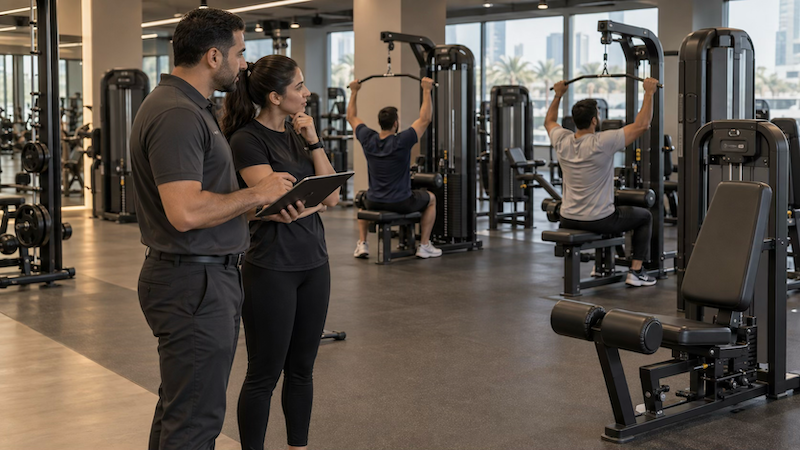
Before opening, no gym owner can predict member behaviour perfectly. You can study other gyms. You can work with an experienced supplier. You can estimate demand. But once the gym opens, the real pattern becomes much clearer. You will quickly see: Which machines are used all evening.
Which machines regularly have people waiting. Which machines are rarely used. That information is extremely valuable. If the lat pulldown is busy every evening, add another one. If both Smith machines are constantly occupied, consider adding a third. If one machine is rarely used, there is probably no reason to buy another.
For many gym projects, the second equipment order can be smarter than the first because it is based on real member behaviour.
Final Thought
When planning a commercial gym, the goal should not be:
“Make sure nobody ever waits during peak hours.”
A better goal is:
Use your budget and floor space for the equipment members will use most.
Buy more of the high-demand equipment. Start with a reasonable number of larger multi-function stations. Then adjust after opening when you can see how members actually train. A successful gym does not need the largest number of machines. It needs the right machines in the right numbers.
I’m Weber, based near Ningjin, one of China’s major fitness equipment manufacturing areas. I work with overseas gym projects to understand equipment options, communicate with suppliers and follow up on purchasing and shipping. If you are planning a new commercial gym and are unsure how many treadmills, strength machines, Smith machines or functional trainers you should order, you can send me your gym size, positioning and expected member numbers.
I can help you review the equipment mix before you place the order.