Welcome to NOVRAXA Fitness Equipment


From Gym Equipment Names to SKU Codes: Build an Asset Register That Finds the Right Machine
Your gym can own three identical treadmills and still struggle to identify the one that needs a replacement belt. The invoice says “commercial treadmill.” The maintenance message says “the treadmill near the window.” Someone moved the machines last month. You have the equipment, but your records cannot reliably tell you which unit needs attention.
Picture this illustrative hotel maintenance call in Riyadh. A purchasing manager opens an old quotation while a technician sends a photograph. “Which machine is this?” she asks. “The second treadmill,” he replies. There are three treadmills, two supplier descriptions, and no internal asset labels. The model number sits in another email. A straightforward parts request becomes a search through folders and message threads.
This guide explains how to move from gym equipment names to SKU codes and build an asset register that supports purchasing and daily operation. We will connect training functions, approved configurations, individual machines, receiving records, and maintenance history. Whether you operate a gym, purchase for a hotel, distribute equipment, or source from China, the goal is practical: know what you ordered, what arrived, and which machine each record describes.
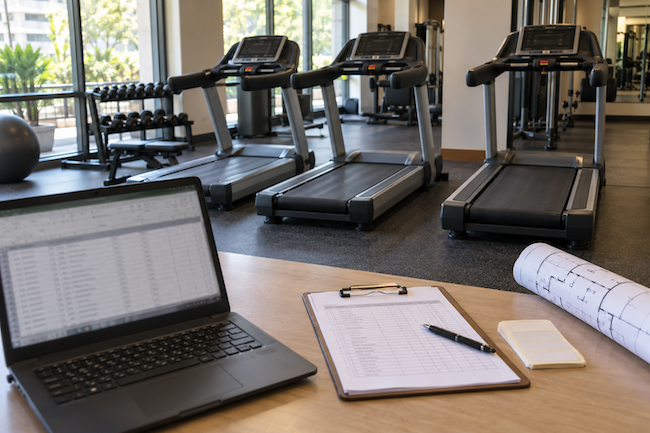
A gym equipment asset register is a record of individual equipment units, linked to the information needed to locate, operate, maintain, and replace them.
The distinction to remember is simple:
An equipment name describes the product.
A SKU organizes a product or approved configuration.
An asset ID identifies an individual physical unit.
A manufacturer serial number connects that unit or component to the manufacturer’s records.
Those identifiers work together. They should not be squeezed into one field.
1. Start With Training Functions Before Assigning SKU Codes
A code cannot fix an unclear equipment description.
If your list contains “leg machine,” “cable station,” and “chest equipment,” assigning numbers only gives those uncertainties a tidier appearance.
Start by identifying what each machine does.
A leg press supports lower-body pushing. A leg extension straightens the knee against resistance. A leg curl bends it. Their muscle involvement overlaps, but their movements differ.
Similarly, a chest press and pec fly provide different exercises. A lat pulldown and seated row represent vertical and horizontal pulling.
Record those functions before deciding whether two supplier names describe equivalent purchases.
A documented example is the Life Fitness Axiom Leg Extension/Leg Curl. Its product code is OP-LCE, and one machine covers two exercises.
That gives you one product record with two training functions. It does not create two independent training stations.
Imagine an illustrative shortlist containing one combination machine, one separate leg extension, and one separate leg curl. That arrangement may deliberately increase capacity. But if the buyer thought the three names represented unrelated functions, the list needs reviewing.
Create a Small Product Dictionary
Product field | What to record |
Standard equipment name | One agreed internal description |
Supplier aliases | Other names used in quotations |
Training functions | Movements supported by the machine |
Machine type | Selectorized, plate-loaded, cable, or free-weight support |
Manufacturer and model | Exact product identity |
Configuration | Selected version and attachments |
User positions | Independent training positions in that configuration |
For Middle East projects, add English and Arabic descriptions as separate fields linked to the same product record.
Translated names should help people understand the equipment, without creating a second identity for it.
At NOVRAXA, matching equipment across supplier quotations starts with functions and configurations. A shared product dictionary gives that comparison a consistent reference.
Once the description is clear, the code becomes useful.
2. Separate the SKU, Model, Serial Number, and Asset ID
These identifiers answer different questions.
A manufacturer model code identifies a product within that manufacturer’s catalogue. Depending on the manufacturer, additional references may be needed to identify the selected options.
A SKU, or stock keeping unit, is a code your business uses to manage a product or configuration. Your supplier may have a separate SKU.
A manufacturer serial number identifies a unit or component within the manufacturer’s system.
An internal asset ID identifies the physical item in your organization’s records.
A barcode or QR code carries information or points to a record. It does not automatically make the underlying identifier unique or accurate.
Here is a real example of why serial details matter. Concept2’s Model D identification guidance explains that units from October 17, 2005 to May 23, 2018 use a serial format containing three groups of numbers. Those groups represent the boxing date, a part number, and the monitor serial number.
The same support page describes a different label format for later units.
“Model D rower” is useful information. It is not the complete identity needed for support.
One SKU, Three Individual Assets
The following codes are illustrative:
Internal SKU | Asset ID | Manufacturer serial number | Current location |
CARD-TM-001 | NVR-A-0001 | Capture from the unit label | Cardio area |
CARD-TM-001 | NVR-A-0002 | Capture from the unit label | Cardio area |
CARD-TM-001 | NVR-A-0003 | Capture from the unit label | Maintenance holding area |
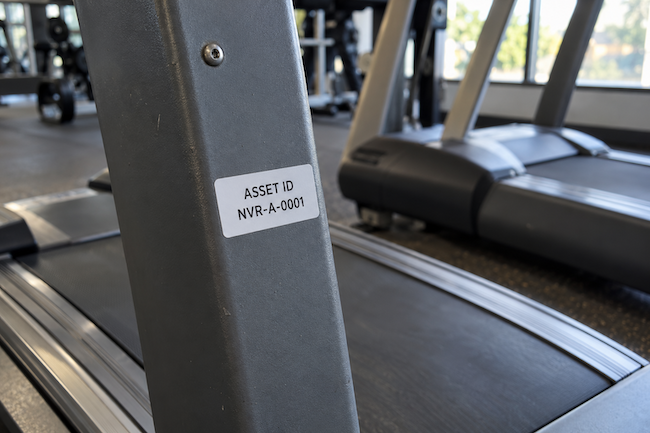
All three machines share the same approved configuration and SKU. Each has its own asset ID.
Moving the third machine into maintenance does not change its SKU or asset ID. Update its location and status.
Preserve manufacturer serial numbers exactly, including meaningful letters, separators, and leading zeros. Store identifiers as text where necessary. Never invent a serial number to complete a spreadsheet.
For organizations requiring standardized identification across systems, GS1 distinguishes product identifiers from individual asset identifiers. Its Global Individual Asset Identifier is designed for individual assets.
A small facility can begin with consistent internal IDs. The essential requirement is preserving the relationship between one product configuration and its individual units.
3. Define Configurations Before Creating More SKUs
The same equipment name can cover several configurations.
A SKU should point to an approved product definition rather than a vague category.
Two treadmills may share a general factory model but differ in console, electrical requirements, or supplied features. A chest press may be selectorized or plate-loaded. A rack package may include different safety accessories, benches, or plates.
Decide which differences your purchasing and inventory process must distinguish.
Do not create a new SKU for every wording change. Equally, do not group materially different configurations under one code if buyers cannot substitute them without further approval.
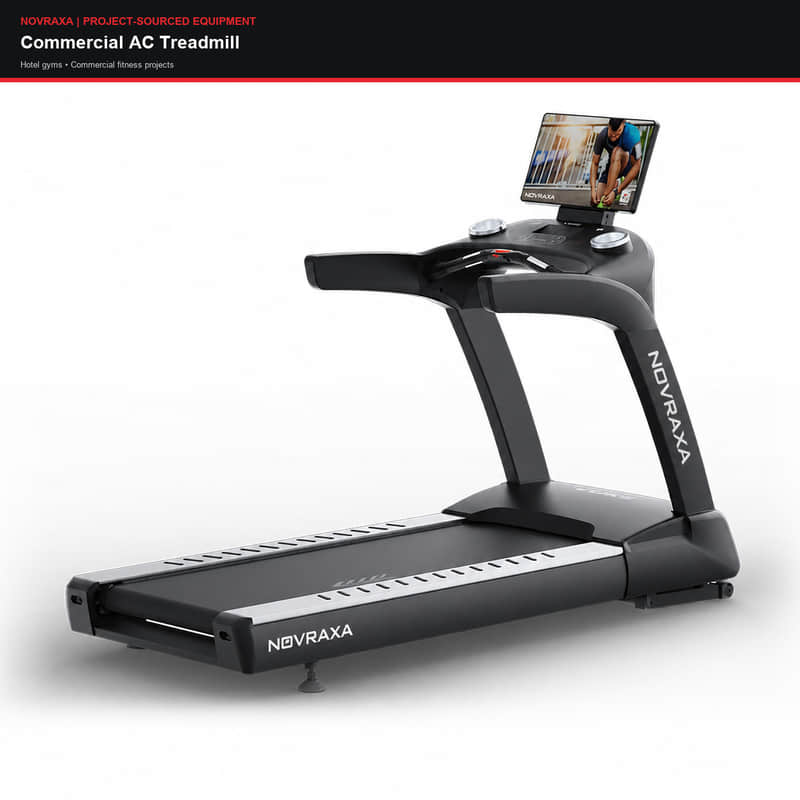
A sourcing example appears on NOVRAXA’s Commercial AC Treadmill page. Its reference benchmark distinguishes 3.0 HP rated from up to 7.0 HP peak, and the final specifications require confirmation with the selected factory.
These are different power indicators. They should not become interchangeable entries in a field labelled “motor power,” or be treated as proof of two different motor options.
Record the manufacturer’s confirmed specification and definitions.
Link the SKU to an Approved Configuration
Give each approved configuration a reference document containing:
Manufacturer, model, and selected options.
Relevant operating specifications.
Included accessories and exclusions.
Machine dimensions and operating requirements.
Electrical requirements, where applicable.
Approved photographs or drawings.
For powered equipment, have the project’s engineering team confirm the actual supply at the installation location. Then obtain written confirmation of model compatibility. Do not assume one voltage, frequency, or plug arrangement applies throughout the GCC.
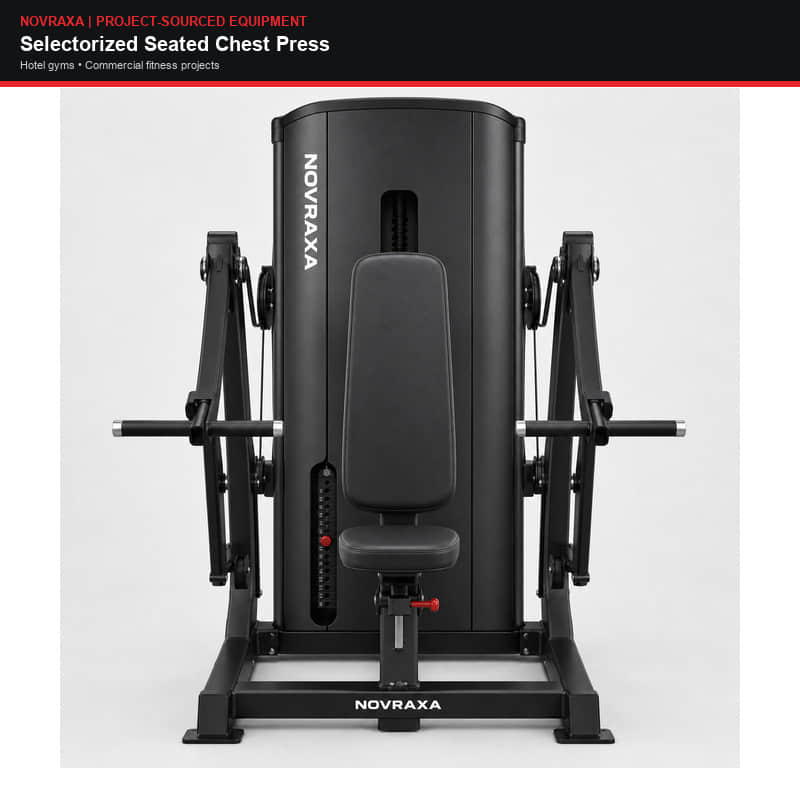
An illustrative coding scheme might use CARD-TM-001 for a treadmill configuration, STR-CP-001 for a selectorized chest press, and STR-CP-002 for a separately approved plate-loaded chest press.
The code provides a reference. The attached information explains the product.
For hotels, consider usability, instructions, space, and guest demand. For commercial gyms, examine peak capacity and training preferences. For distributors, distinguish configurations customers order or that require different support.
NOVRAXA helps coordinate specifications across manufacturers. A clearly approved configuration makes that coordination easier.
Require approval for proposed substitutions and update the product record before shipment. Similar appearance does not make equipment equivalent.
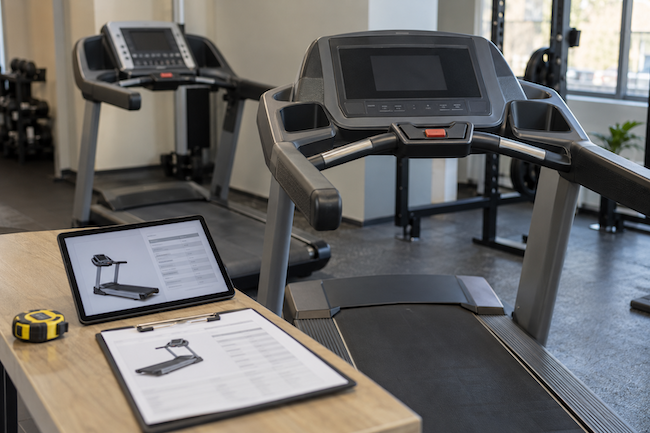
4. Build the Asset Register During Receiving
A quotation records what was proposed. A purchase order records what was approved. Receiving records establish what arrived.
Your asset register needs those connections.
Start product records before ordering. Create planned unit records where useful, then confirm them against the physical equipment at receipt and commissioning.
Do not mark equipment active simply because an invoice exists.
Shipping identification needs its own field.
GS1 Saudi Arabia describes the SSCC as an 18-digit identifier for a logistics unit, such as a pallet or carton.
This illustrates an important distinction: a shipping unit is not automatically an installed gym asset.
You may not use SSCCs in your project. Ordinary package references can still help connect the packing list to the equipment.
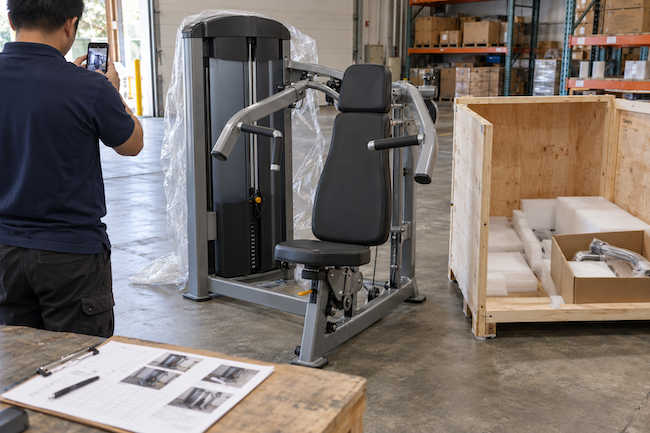
In an illustrative delivery, two crates might contain one disassembled machine. A separate carton might hold attachments for several machines. Counting packages would not establish how many complete assets are ready.
Map packages and accessories to the relevant equipment units.
Check Each Significant Machine
Confirm the purchase-order line, approved configuration, manufacturer label, serial information, accessories, visible condition, and installation status.
Apply the permanent internal asset label at an appropriate stage. Keep photographs of the unit and identification label linked to its record.
A practical unit-level register should include:
Field group | Useful information |
Identity | Asset ID, internal SKU, manufacturer, model, serial number |
Purchasing | Supplier, PO reference, approved configuration |
Delivery | Shipment or package references, receipt date, discrepancies |
Installation | Site, room, commissioning date, acceptance record |
Operation | Status, responsible person, instructions |
Support | Warranty documents, service contact, parts references |
History | Repairs, transfers, modifications, retirement |
Keep receipt, commissioning, and warranty dates separate. Record the actual warranty terms rather than assuming coverage starts on the invoice date.
Use clear statuses such as planned, received, awaiting commissioning, active, out of service, and retired. Define them consistently.
NOVRAXA’s shipment preparation and quality-checking work can support this handover. Agree beforehand which model references, packing details, and inspection evidence the project requires.
Capture the information while the unit and its packaging are available. Reconstructing it later creates avoidable work.
5. Connect Each Asset to Maintenance and Compatible Parts
An asset register becomes valuable when it answers operational questions.
Which unit is out of service? What was repaired? Which replacement part is compatible? Has the same fault happened before?
“Cable machine needs a cable” leaves too much unanswered.
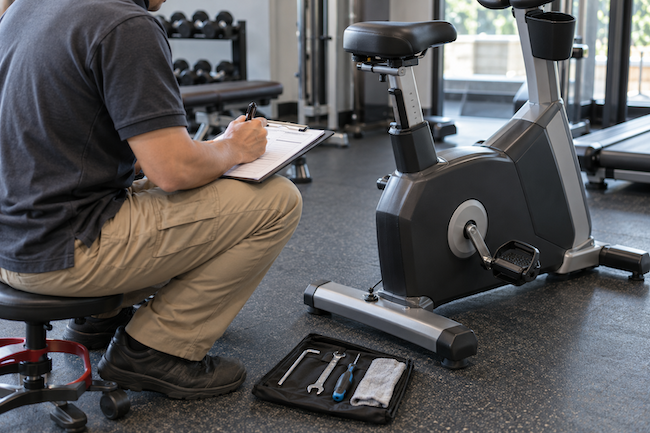
A better request includes the asset ID, manufacturer, model, serial label, configuration reference, fault description, and photographs.
Keep supplier-confirmed parts information. Do not assume a similar-looking belt, cable, bearing, or pin will fit.
A real example comes from Concept2’s BikeErg maintenance guidance. The manufacturer specifies checks every 250 hours of use, including inspection of six fasteners on the crank arms and pedals.
This is a model-specific instruction, not a universal interval for all exercise bikes.
Link each asset to the correct manual and maintenance schedule. If an interval depends on usage hours, record the available reading or a clearly labelled estimate.
Keep a Separate Service History
For each service event, record:
Date and reported issue.
Technician or service provider.
Diagnosis and work completed.
Parts fitted and their references.
Relevant usage reading.
Downtime and return-to-service status.
Supporting documents and next action.
Keep separate entries rather than repeatedly overwriting one maintenance-notes cell.
For replaceable consoles or other significant components, track component identifiers separately where they affect support. Replacing a console should not casually replace the identity of the whole machine.
A QR label can help staff open the correct record. Include the asset ID in plain text, and position the label without interfering with operation or covering manufacturer warnings.
Choose label materials appropriate to cleaning, wear, and the actual environment. Keep internal documents appropriately restricted.
You can begin with a spreadsheet and organized document links. A maintenance platform becomes useful when multiple sites, assets, or service requests make that arrangement difficult to manage.
Whichever tool you choose, staff should be able to find the right unit and its history without guessing.
6. Use the Register to Decide What to Buy, Keep, or Replace
A list of codes tells you what you own. A useful register helps explain what you need next.
Add training functions, independent user positions, operating space, and unit status. Review them alongside observed demand.
A documented cable-machine example shows why configuration details affect comparisons. The Life Fitness Signature Series Dual Adjustable Pulley lists two 177 kg stacks, a 4:1 cable ratio, and approximately 44.2 kg effective resistance per stack.
Recording only “177 kg cable machine” would hide an important specification.
Two machines with similar stack labels may not provide equivalent usable resistance or exercise support.
Apply the same care when evaluating overlap.
Equipment comparison | What the register should reveal |
Chest press and bench press setup | Guided versus free-weight training; independent capacity |
Lat pulldown and functional trainer | Seating, restraint, pulley setup, usable resistance |
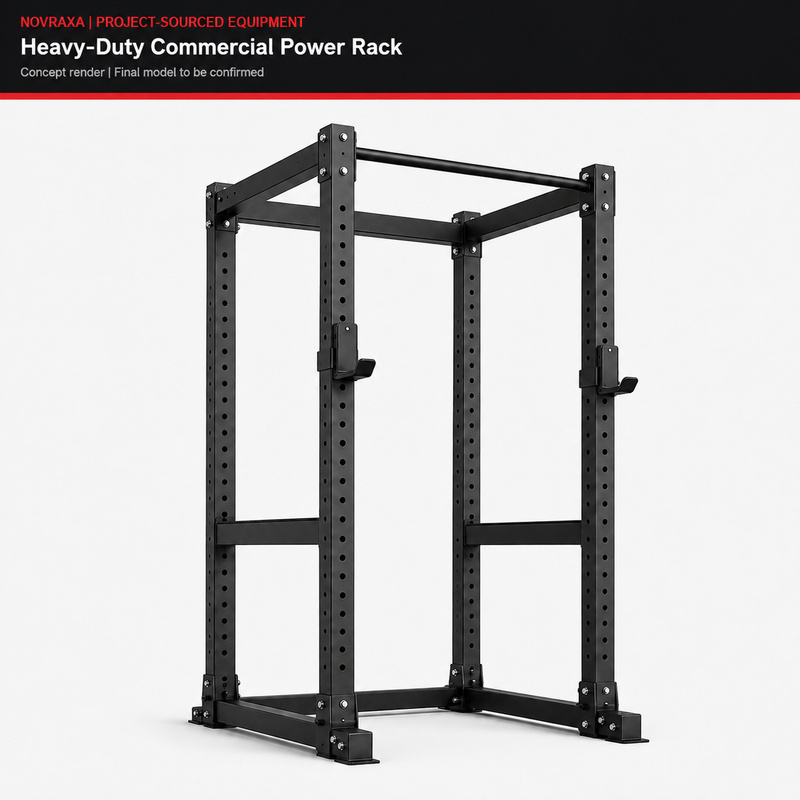
Smith machine and power rack | Guided-bar versus free-barbell training |
Combination leg machine and separate stations | Exercise coverage, switching, simultaneous use |
Identical treadmills | Available capacity, condition, downtime, demand |
Consider an illustrative club with two treadmills. If one is out of service, a record showing “quantity: 2” overstates usable capacity.
The unit status matters as much as the product count.
A multifunction station can also cover several movements while providing one shared position. Count simultaneous capacity separately from advertised exercise variety.
Observe several peak periods. Record occupied stations, waiting users, and missing functions. Do not declare equipment unnecessary based on one quiet visit.
For hotels, review guest usability and instructions. For commercial gyms, examine demand and congestion. For distributors, distinguish sale stock from demonstration units and equipment held for service.
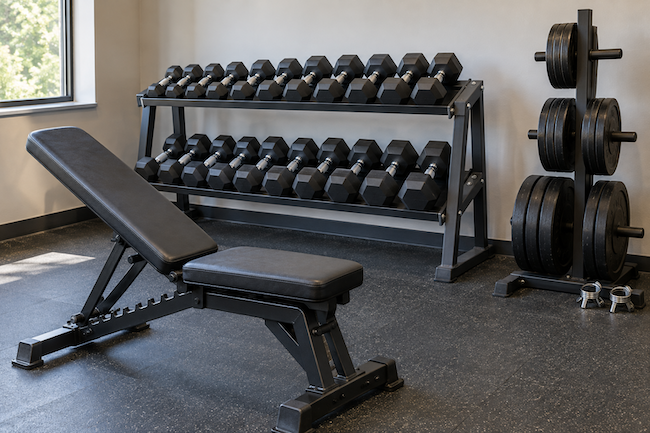
Manage lower-value accessories sensibly. Machines usually deserve individual records; some plates and accessories may be tracked by type, quantity, size, and location.
When replacing equipment, retain the old asset’s retirement history and give the replacement its own ID. Do not reuse the retired identifier.
The register should clarify your next purchase rather than automatically expand it.
Frequently Asked Questions
What is the difference between a SKU and a serial number?
A SKU organizes a product or approved configuration in a business’s records. A manufacturer serial number identifies a unit or component within the manufacturer’s system. Store them separately.
Can several machines share one SKU?
Yes. Three machines of the same approved configuration can share one internal SKU. Each physical unit still needs its own asset ID and captured manufacturer identification.
How should I assign asset IDs?
Use a consistent numbering system that remains stable for the unit’s life in your records. Update location and status when it moves. Retain retired records and do not reuse their IDs.
Do I need GS1 barcodes to start a gym asset register?
Not simply to identify equipment internally. You can begin with internal IDs and readable labels. GS1 identification may be useful where partners or systems require standardized identification.
Give Every Machine an Identity Your Team Can Use
Equipment names start the conversation. SKU codes organize approved products. Asset IDs identify physical units. Serial numbers and documents connect those units to manufacturer support.
Together, they connect purchasing with daily operation.
Start with clear functions. Confirm configurations. Capture identities during receiving. Keep location, status, maintenance, and parts history current.
You do not need an elaborate system on day one. You need records that let a manager, technician, and buyer discuss the same machine.
That clarity matters when a guest is waiting, a member cannot complete a workout, or a replacement part needs ordering.
Send NOVRAXA your equipment list, supplier quotations, or current register through the official website. Include your facility type, expected users, site layout, and destination country.
Ask us to help clarify functions, compare configurations, and coordinate the product information and shipment records needed for handover. Your operating team can then maintain the individual-unit records as equipment is installed and used.
If you are still planning, keep following NOVRAXA’s equipment selection and sourcing guides.
A well-managed gym knows which machine each record describes—and why that machine is there.