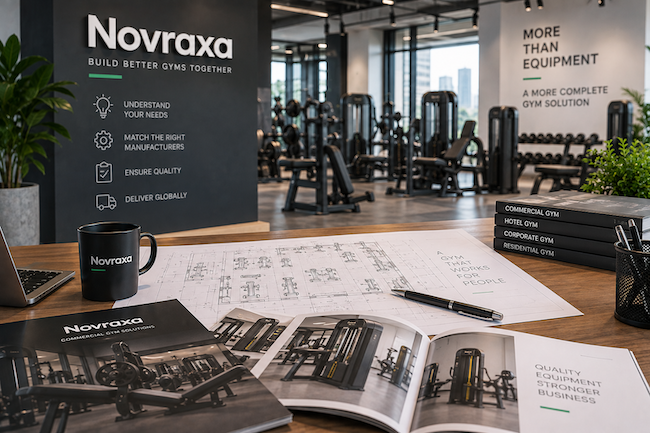
Welcome to NOVRAXA Fitness Equipment


Plate-Loaded or Selectorized Machines? How to Decide for Your Gym
They can both train the same muscle group.
They can look similar in a catalogue.
They can even be made in the same manufacturing region in China.
But once they are placed in your gym, they can perform very differently.
Some members will love loading plates onto a chest press, row, or leg press. Others just want to select the weight and get started.
That's why when we hear this question from buyers:
“Should I buy plate-loaded or selectorized machines?”
we usually think it's the wrong question to start with.
It's better to ask:
Who is going to use the equipment, how are they going to use it, and what type of gym are you creating?
Whether you're buying for a commercial gym, hotel fitness room, corporate gym, residential gym, or distribution business, this article should help you decide what makes sense for your project.
Not just what looks good in a catalogue.
What's the Difference Between Plate-Loaded and Selectorized?
Let's start with the simple part.
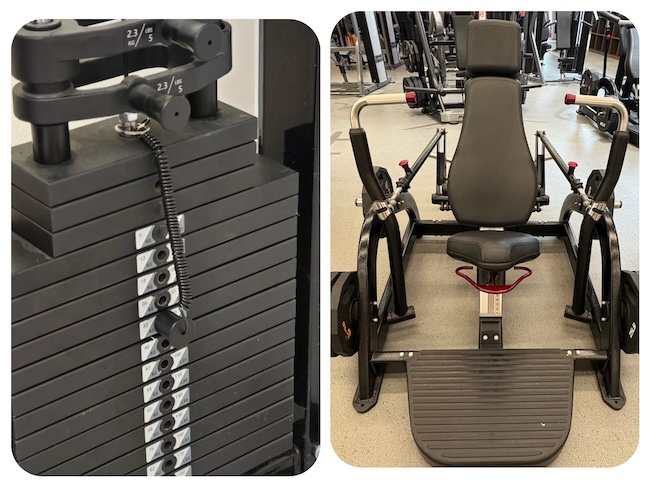
With plate-loaded machines, users add or remove weight plates to create resistance.
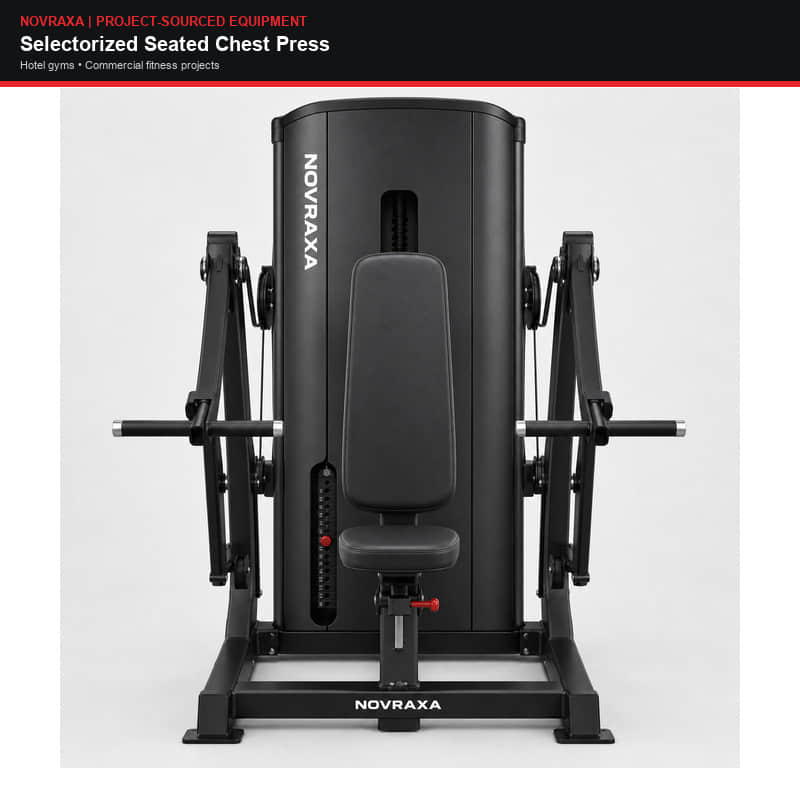
Selectorized machines usually have a weight stack built into the machine. You place a pin into the stack, select the weight, and train.
That's the basic difference.
If that's all you need to know, feel free to close the page.
However, if you're about to spend thousands of dollars on gym equipment—maybe hundreds of thousands—you probably need to know more.
Who will use the machine?
How quickly can they change the weight?
How will people move through your gym during busy hours?
Do you need to buy and store additional plates?
What needs to be maintained?
How much floor space will the complete training station actually require?
All of these things come into play when deciding what to buy.
Plate-Loaded vs. Selectorized: A Quick Comparison
| Buying Factor | Plate-Loaded | Selectorized |
| Weight adjustment | Add or remove weight plates | Move a selector pin |
| Commonly used in | Commercial gyms, bodybuilding gyms, strength-focused areas | Hotels, corporate gyms, residential gyms, general commercial gyms |
| User experience | Can appeal to heavier and more experienced strength users | Simple and user-friendly for a wide range of users |
| Changing weight | Can take longer, especially with heavier loads | Fast—usually just move the pin |
| Beginner accessibility | Some users may need help understanding loading and setup | Generally easier to understand |
| Heavy training | Well suited when enough plates are available | Depends on the machine and weight-stack size |
| Additional plates needed? | Yes | Usually no |
| Plate storage needed? | Usually yes | No separate plate storage needed |
| Floor management | Plates may need to move between machines | More self-contained |
| Busy periods | Weight changes can take longer | Quick adjustment between users |
| Maintenance focus | Frame, bearings, moving arms, upholstery, loading points | Cables, pulleys, guide rods, pins, weight stack, upholstery |
| Common buying mistake | Looking at the machine price without factoring in plates and storage | Looking only at stack size instead of the whole machine |
| Hotel fitness room | Useful for selected stations | Often practical for the main strength area |
| Commercial gym | Strong option for strength-focused areas | Strong option for general members and high-traffic areas |
As you can see, there is no clear winner.
It depends on your project.
1. Your 1,200 m² Commercial Gym vs. a 120 m² Hotel Gym
First, let's think about two different projects.
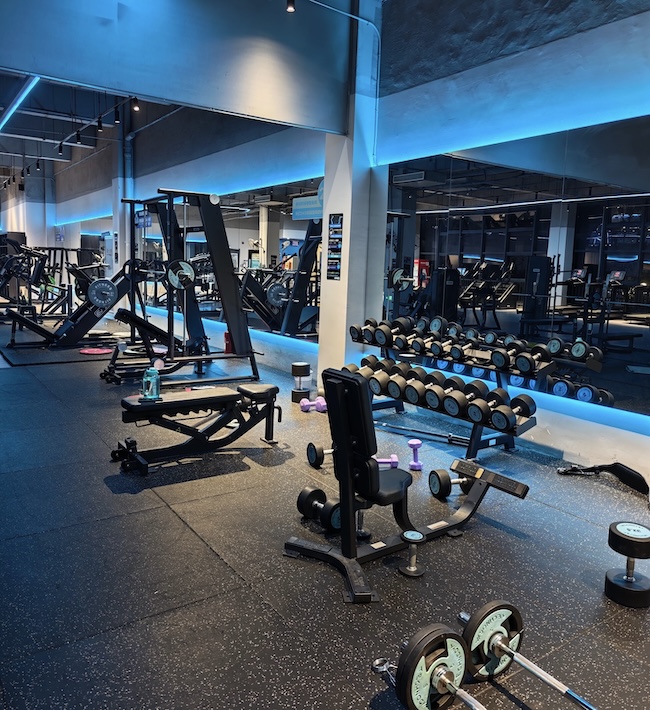
Imagine a commercial gym with 1,200 m² of training space.
Many of the members know how to train. They squat, deadlift, use Smith machines and free weights, and know how to load plates.
These members may enjoy having more plate-loaded machines in the gym: chest presses, rows, leg presses, hack squats, and so on.
Now think about a 120 m² hotel fitness room.
A guest walks in early in the morning.
They have 30 minutes to train before breakfast and a meeting.
Maybe they train regularly. Maybe they haven't stepped into a gym for three months.
And there's probably no coach standing next to the machine.
Do you really want that guest searching for plates, loading both sides of a chest press, training, unloading the machine, and putting all the plates back?
Probably not.
In this environment, easy-to-use machines can make a lot of sense.
Sit down.
Adjust the seat.
Select the weight.
Train.
It could still be a chest press. But the right version of that chest press may be different depending on where it's going.
Novraxa Tip
Know your facility, your users, and their training experience before contacting a supplier.
You don't need to know every machine name yet.
But you should know those three things.
It can save you time—and potentially save you from buying equipment that doesn't fit the project.
2. Think About Your Gym at 7 p.m., Not When It Opens
Your gym will probably look amazing when it opens.
Everything is clean.
The plates are organized.
Nobody has left a towel on the bench.
Then the members arrive.
That's when you start to see what really works.
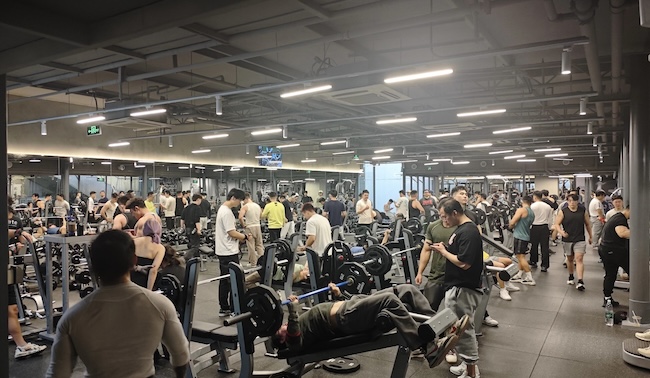
Let's say your commercial gym gets busy at night.
A member finishes a set on a selectorized machine at 70 kg.
The next member wants 45 kg.
Move the pin.
Done.
Now think about the same situation on a plate-loaded machine.
The next member may need to remove several plates, put them back on the storage horns, find the plates they need, load both sides, and then start training.
For one member, it's not a big difference.
Across multiple machines and many users during a busy evening, it can add up.
This doesn't mean plate-loaded machines don't belong in a commercial gym.
In many projects, they absolutely do.
The point is to think about where you place them and who will use them.
Selectorized machines can work well in high-traffic areas used by a wide range of members.
Plate-loaded machines can make more sense in strength-focused areas where members already expect to handle plates.
So instead of only asking:
“How many machines can I fit in my gym?”
maybe ask:
“Which machines will my members want to use the most at 7 p.m.?”
That's a much more useful question.
3. Plate-Loaded Machines Can Be More Expensive Than You Think
You've probably seen a quotation where the plate-loaded machines look like a great deal.
Then the equipment arrives and someone asks:
“Where are the plates?”
It sounds obvious.
But just because you bought the machine doesn't mean you bought everything needed to use it.
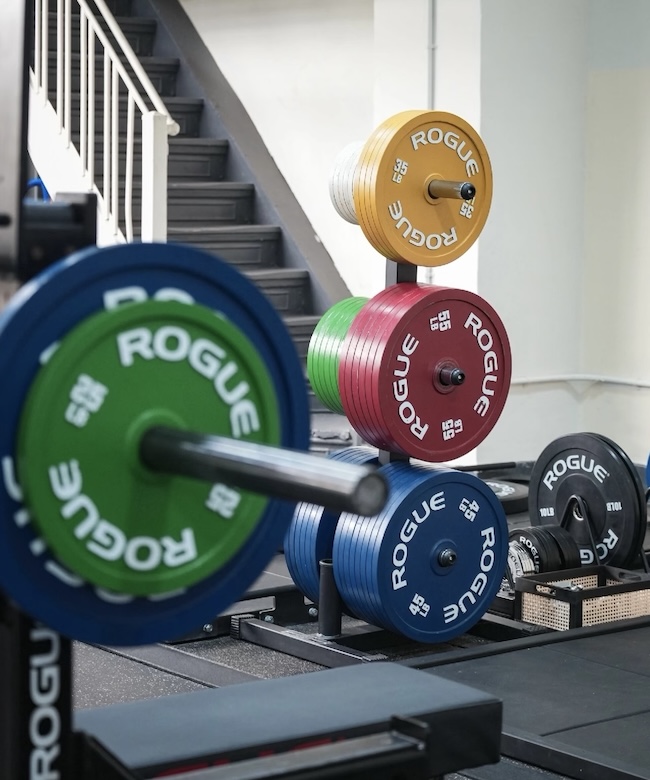
If you're buying multiple plate-loaded machines, you need to think about how many plates you'll need.
Then comes the next question:
Where are you going to store them?
Will the machines have integrated storage horns?
Will you need additional plate trees?
Will members be carrying 20 kg plates across the gym?
What happens when the plates someone needs are being used on another machine?
These are all things to think about.
So when you're comparing quotations, don't just look at:
Machine A: USD X
Machine B: USD Y
Think about the whole setup:
Machine + Plates + Storage + Floor Space + Daily Use + Maintenance
That's closer to the real cost of the training station.
Selectorized machines solve much of the plate-management problem because the weight stack is built into the machine.
However, they have their own things to think about.
Cables, pulleys, guide rods, pins, weight stacks, and other moving parts all need to be properly manufactured, assembled, inspected, and maintained.
There's no perfect system.
There's only what works better for your gym.
4. For Hotels, Residential Gyms, and Corporate Gyms, Convenience Matters
When looking at gym equipment, we all want to know:
How thick is the steel?
What are the dimensions?
How large is the weight stack?
What about the cables?
What type of upholstery is used?
All good questions.
But here's another one:
How easy is the machine to use?
This becomes especially important in hotels, residential gyms, and corporate fitness rooms.
Your users may vary a lot.
Some know exactly how to train.
Some don't.
Some will use the gym five days a week.
Others may walk into the room and spend the first minute figuring out how to adjust the seat.
In these environments, simple operation has real value.
That doesn't mean you shouldn't have any plate-loaded equipment.
A larger hotel fitness center or premium residential gym may benefit from selected plate-loaded machines, free weights, or a Smith machine.
But for many smaller unsupervised facilities, selectorized equipment can be a practical starting point for the main strength area.
Again, it comes back to the user.
5. Don't Try to Choose One System for Your Whole Commercial Gym
You can have both.
Don't make the decision harder than it needs to be.
Why should your entire gym use one loading system?
Think about how the gym will flow and where different members will train.
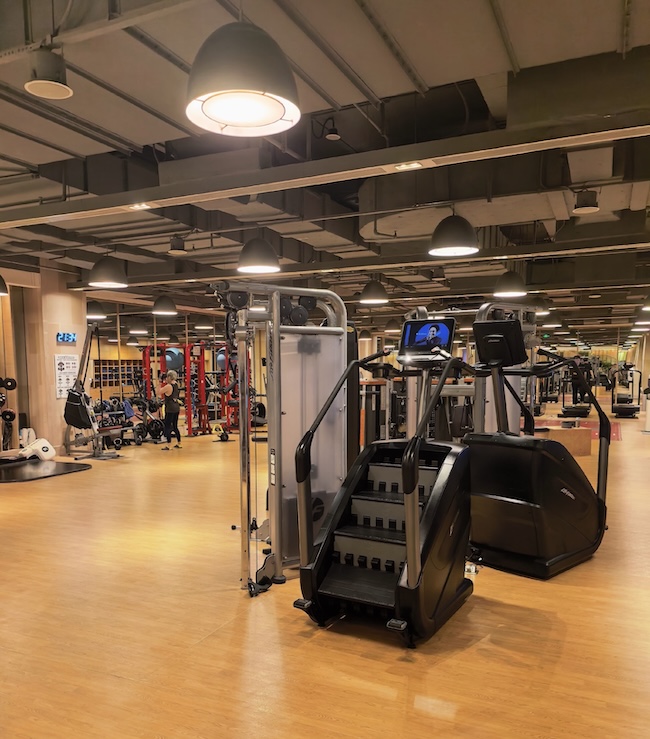
Maybe you have one area with selectorized machines for general members.
Another area with plate-loaded machines.
Then free weights.
Racks.
Smith machines.
And your cardio area.
Now you're not choosing between plate-loaded and selectorized.
You're building a gym.
Here's a simple starting point:
| Project | Practical Starting Point | Why |
| Small hotel fitness room | Mostly selectorized | Easy to use and less plate management |
| Corporate gym | Mostly selectorized | Users have different levels of training experience |
| Residential gym | Mostly selectorized | Easy to understand and quick to adjust |
| General commercial gym | Mix of both | Different members have different training needs |
| Bodybuilding gym | More plate-loaded | Members are more likely to expect heavier strength training |
| Strength-focused gym | More plate-loaded | Fits the training environment and user expectations |
| Distributor | Mixed product range | Different customers need different equipment |
Use this as a guideline, not a formula.
Every gym is different.
A hotel with a 60 m² fitness room and a resort with a large premium fitness center shouldn't automatically buy the same equipment just because they're both hotels.
Your space, customers, positioning, budget, and expected usage should decide the final mix.
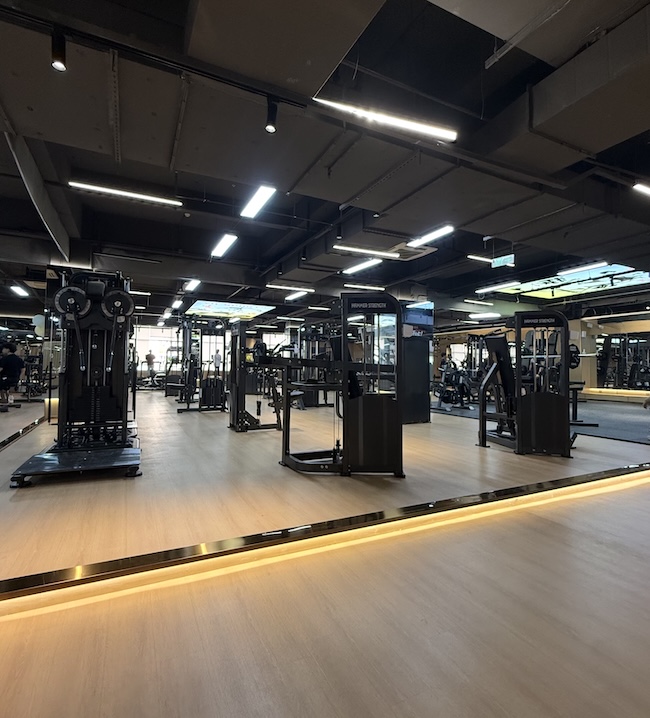
6. Don't Assume One Machine Is the Same as Another
This is where buying gym equipment becomes more complicated.
Plate-Loaded Chest Press.
Selectorized Lat Pulldown.
Leg Extension.
Seated Row.
Hack Squat.
Smith Machine.
You know the names.
But do you know the machines?
Probably not.
Many manufacturers can make something called a Plate-Loaded Chest Press.
That doesn't mean the machines are the same.
Put two models side by side and you may notice differences in:
seat height and adjustment;
handle position and angle;
movement path;
bearings and pivot points;
frame construction;
welding;
upholstery;
finishing;
and overall training feel.
The name tells you what type of machine it is.
It doesn't tell you whether it's a good machine for your project.
This becomes even more important when you're importing equipment.
You may be thousands of kilometers away from the manufacturer.
By the time you notice a problem, the machine may already be inside a container.
That's not the best time to discover it.
7. Why We Don't Think Every Machine Has to Come From One Factory
China has a large commercial fitness-equipment manufacturing industry.
But being able to make many types of equipment doesn't mean every manufacturer is equally strong in every category.
One factory may have a mature treadmill line.
Another may be stronger in plate-loaded strength equipment.
Another may have a better selectorized range.
So if you're buying equipment for an entire commercial gym, the question shouldn't simply be:
“Which factory has everything?”
A better question might be:
“Which manufacturers are suitable for the different parts of my project—and how do I make everything work together?”
That's where Novraxa comes in.
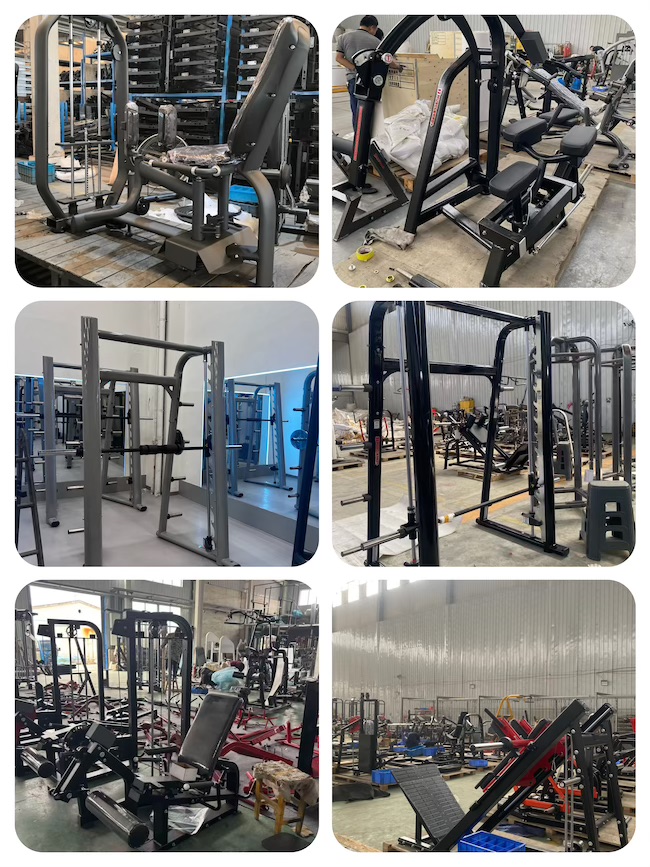
We work close to China's commercial fitness-equipment manufacturing industry and approach projects from a supply-chain perspective.
Instead of simply sending you a catalogue and asking you to choose, we can help:
understand your gym and target users;
review your equipment list;
match different equipment categories with suitable manufacturers;
coordinate specifications, colors, branding, and finishes across different factories;
follow production;
check important quality details before shipment;
coordinate orders from different manufacturers;
and prepare the equipment for shipment to your country.
This matters when you're sourcing from more than one factory.
You don't want the finished gym to look like three unrelated equipment orders placed next to each other.
The goal is to use the strengths of different manufacturers while still making the final project feel consistent.
That's very different from simply finding a factory that says:
“Yes, we make everything.”
8. Ask Your Supplier “Why?”
Everyone wants to know how much something costs.
That's understandable.
But you should also ask your supplier:
Why?
Why this machine?
Why this model?
Why plate-loaded?
Why selectorized?
Why this weight stack?
Why this manufacturer?
Why this configuration for my gym?
A supplier who understands the project should be able to explain the reasoning.
If every answer is:
“This model sells very well.”
you still don't know whether it's right for your gym.
You want a supplier who understands the project, not one who is simply trying to sell you more equipment.
9. Know Your Project Before You Finalize Your Equipment List
Before you send a supplier your final equipment list, make sure you know a few things:
What type of facility are you buying for?
How big is it?
Who will use it?
What kind of training experience are you trying to create?
What's your approximate budget?
You may not need as many machines as you think.
A small hotel fitness room may be better with six carefully selected strength stations than 15 machines squeezed into the space.
A commercial gym may need more selectorized equipment in its general training area than the owner first expected.
A bodybuilding gym may need more plate-loaded equipment than a standard commercial gym.
Know what you're trying to build.
Don't just buy everything that fits inside the budget—or the container.
So, What Should You Buy: Plate-Loaded or Selectorized?
There's no single answer.
It depends on the project.
For many hotel, residential, and corporate gyms, selectorized equipment can be a practical starting point because it's easy to adjust and doesn't require users to manage plates.
For bodybuilding and strength-focused gyms, plate-loaded machines may play a much bigger role.
For a general commercial gym, a combination of both often makes sense.
But don't choose based only on the machine name.
Plate-loaded doesn't automatically mean your gym is more professional.
Selectorized doesn't automatically mean it's only for beginners.
And buying both doesn't automatically mean you've built a balanced gym.
If you know what machine you're buying, that's a good start.
You should also know why you're buying it.
Need Help With Your Gym Project?
If you're planning to buy commercial gym equipment, send Novraxa:
your facility type, floor size, target users, equipment list, and destination country.
We can start by looking at what the project actually needs, then help match the equipment and manufacturers to it.
Because buying gym equipment shouldn't start with filling a container.
It should start with understanding the gym you want to build.